
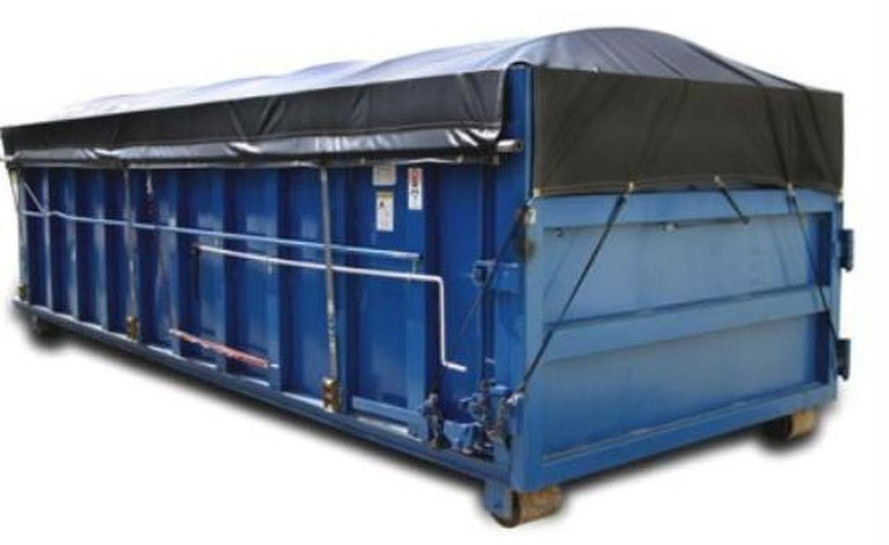
A reliable roll tarp system protects cargo and maintains compliance with load-containment regulations.
You may need a grain-trailer tarp for transporting corn, wheat, soybeans, or other agricultural products.
Perhaps you are in waste management and want a system that readily covers the whole load.
No matter your use case, a tarp defends against weather, debris, and contamination. Knowing when to replace a roll tarp and choosing the right replacement can save time, money, and prevent costly cargo damage.
Season after season, roll tarps endure:
- UV exposure
- Extreme temperatures
- Wind whip
- Consistent rolling and unrolling
Knowing when to replace a roll tarp can prevent unexpected failures during critical hauling.
Signs It's Time for a Replacement Roll Tarp
- Visible Damage and Material Degradation: Holes, tears, and rips in vinyl compromise a roll tarp's ability to protect cargo from moisture and contaminants. Small punctures can expand quickly under stress, especially during windy conditions or when covering peaked loads. If the fabric easily tears when pulled from both sides, the material has deteriorated beyond safe use.
- UV Damage: consistent sun exposure eventually causes vinyl to become brittle, faded, and prone to cracking. A tarp with a glossy supple finish may get chalky and stiff. Brittleness increases risk of failure during operation.
- Seam and Stitching Failures: The seams and stitching of your roll tarp endure constant stress points. Loose stitching, separated seams, or frayed webbing indicate structural weakness worsening with continual use. Failures often begin at grommets, pockets, and reinforced attachment points where there's high tension. The thread of tarps by traditional sewing methods can rot over time, especially when exposed to moisture.
- Operational Issues: Performance problems during tarp operation often signal material degradation. When tarps no longer roll smoothly or evenly, or a manual crank system becomes increasingly difficult to operate, the tarp material may have stretched or shrunk or become unevenly weighted. For electric tarp systems, a worn tarp can strain on the motor to premature failure.
Read on for key features of quality replacement roll tarps.
Construction Methods Matter
Heat-sealed seams offer significant advantages over traditional sewn construction.
Heat sealing creates permanently fused seams eliminating needle holes, preventing water infiltration and eliminating weak points where stitching can fail or rot.
This particular construction method avoids loose webbing that can deteriorate over time.
Strategic Reinforcement
High-quality replacement tarps feature reinforced pockets on the driver and passenger side, along with reinforced attachment points. Heavy-duty tarps with waterproof material and abrasion resistance can be an excellent long-term investment.
Additional webbing reinforcement should be at points of high stress. Some manufacturers reinforce high-wear areas with heavier vinyl for enhanced durability in pressure points.
Proper Sizing and Fit
Correct tarp sizing matters for longevity as well as just protecting the load.
Trailer width determines tarp width, as tarps are commonly significantly larger than the trailer. For instance, 96-inch wide trailers usually require 123-inch wide tarps.
The nice thing about finding a replacement roll tarp is that you already have a tarp to measure. For length, measure the current tarp rather than simply using trailer length, as end caps fill the first and last few feet of the trailer box.
Premature wear on the front or rear of your existing tarp may indicate a sizing issue. When ordering a replacement, this is the time to correct any length problems and ensure proper overlap on caps.
Compatibility Across Systems
Quality replacement roll tarps work with both manual hand-crank and electric tarp systems.
These are designed to fit most common systems, including a side-to-side system. Properly sized replacement tarps should integrate seamlessly with existing hardware.
Expand the Lifespan of Replacement Tarps with Proper Maintenance
When properly maintained and able to handle a use case, quality replacement roll tarps typically deliver years of reliable service.
A roll tarp's lifespan depends on several factors including:
- Frequency of use
- Type of materials hauled
- Climate exposure
- Maintenance practices
Regular inspection for damage signs allows for timely repairs that can significantly extend the roll tarp's lifespan. Roads can be rough even on new replacement roll tarps, so spotting issues early is a great way to lengthen the amount of time before you need a replacement tarp for that replacement tarp.
Patching small tears with repair tape or vinyl cement can prevent minor issues from becoming major failures. Having these quick-repair resources handy is great for people in the transportation industry who may need an immediate fix while on a long haul.
Preventive maintenance can be just as important. Keeping a tarp system's components properly lubricated and maintained can also reduce unnecessary wear on the tarp material.
Choose Debrovy's for Your Replacement Roll Tarps!
At Debrovy's, we understand that downtime costs money and that grain haulers, dump trucks, and other transportation-industry mainstays need reliable equipment you can count on season after season.
Our extensive inventory is sure to have the tarp that is perfect for your use case. If you are looking for a certain brand or size or type of tarp, a search on our website will turn up plenty of options for you.
Contact Debrovy's today for expert advice on replacement roll tarps!