
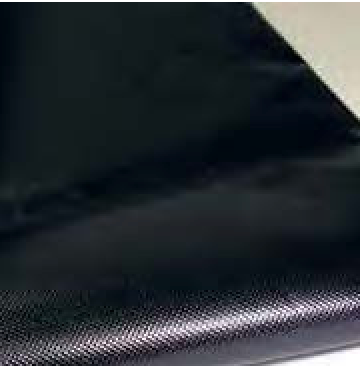
When a standard tarp isn't enough, professionals across trucking, construction, manufacturing, and hazardous materials, should use neoprene-coated nylon tarps.
Whether you need a truck cover that shrugs off diesel spills, an industrial shield that holds up in many areas. Whether you need a cover for sub-zero temperatures or a waterproof barrier tough enough for a shipyard dock, neoprene-coated nylon tarps are engineered for exactly those jobs.
What Is Neoprene-Coated Nylon?
Neoprene-coated nylon is an industrial-grade fabric constructed by bonding a layer of neoprene (a synthetic rubber) onto a woven nylon base. The nylon core provides structural tensile strength and tear resistance.
Key Properties of Neoprene Coated Nylon Fabric
Understanding the performance profile of neoprene-coated nylon fabric helps you match the right material to the right application.
- Waterproof
- UV Resistant
- Chemical and Oil Resistant: Neoprene-coated nylon fabric resists oil, grease, diesel fuel, gasoline, solvents, mildew, and a range of acids and corrosives.
- Abrasion and Tear Resistant
- Cold Weather Flexibility: Quality-grade material maintains low-temperature flexibility down to -40°F.
- High Temperature Tolerance: Typically rated up to 180°F.
Top Applications for Neoprene-Coated Nylon Tarps
- Truck Tarps: Neoprene’s resistance to oil, diesel, and abrasion, is useful for cargo hauling. DeBrovy's carries an extensive selection of truck tarps, neoprene-coated and more.
- Shipyard and Dock Tarps: Marine environments expose covers to saltwater, chemical exposure, and UV rays. Neoprene-coated nylon is a fit choice for dock tarps and shipyard covers because it resists moisture penetration and resists the effects of sun and salt.
- Hazardous Shipment: Where chemical containment and compliance matter, the chemical resistance of neoprene coated nylon makes it a trusted material.
- Landfill Containment Covers
- Machinery and Industrial Equipment Wraps: Neoprene-coated fabric that won't tear from sharp edges, won't absorb moisture, and won't degrade sitting in a yard for months.
- Industrial Curtain Walls and Cold Storage Covers
Why Material Weight and Fabric Width Matter
- Material Weight (Ounces per square yard): A 16 oz. grade (approximately 20 mil thick) should handle most heavy-duty trucking, shipyard, and construction applications. A 40 oz. grade (approximately 40 mil thick) is for maximum abrasion resistance and chemical barrier performance.
- Fabric Width: Coverage matters for protecting materials, which is why fabric width is a key metric. DeBrovy’s offers 60-inch-wide neoprene-coated nylon fabric. We sell this industrial fabric by the yard and by the roll.
How to Choose the Right Neoprene Tarp or Fabric
- What is the primary exposure risk? If chemical and oil resistance is the priority, such as on a fuel truck or oil rig, neoprene-coated nylon is good. If you simply need a waterproof general cover, a less-specialized fabric may be more cost-effective.
- What temperatures will the tarp face? For cold-climate operations, confirm that the fabric you're selecting carries a low-temperature rating appropriate for your region. Standard neoprene coated nylon should be able to handle most North American climates. (Reach out to Debrovy’s if you have questions about your specific use case.)
- Do you need fabric for fabrication or a finished tarp? DeBrovy's offers both finished industrial applications and raw neoprene-coated nylon fabric sold by the yard or roll for custom fabrication projects.
If you're unsure what product fits your specific application, the DeBrovy's team is available to help. Visit the FAQ page for answers to common industrial tarp questions, or reach out directly through the contact page.
Frequently Asked Questions About Neoprene Coated Nylon Tarps (FAQ)
What is neoprene coated nylon used for?
Neoprene-coated nylon is typically used for:
- Heavy-duty tarps
- Industrial covers
- Truck tarps
- Shipyard and dock covers
- Hazardous material containment
- Asbestos abatement
- Machinery wraps
- Custom-fabricated industrial curtains
Its chemical resistance, waterproofing, UV protection, and extreme temperature flexibility make neoprene fit for demanding commercial and industrial applications.
What is the difference between 16 oz. and 40 oz. neoprene-coated nylon?
The weight refers to ounces per square yard. A 16 oz. grade is approximately 20 mil thick and handles most heavy-duty applications.
A 40 oz. grade is approximately 40 mil thick. This provides maximum durability for the most extreme abrasion, chemical, and load-bearing situations.
Is neoprene-coated nylon waterproof?
Yes. The neoprene coating creates a fully waterproof surface. The fabric resists moisture penetration and is appropriate for wet outdoor environments, marine settings, and wet cargo containment.
What temperature range can neoprene coated nylon handle?
Quality-grade neoprene coated nylon typically performs from -40°F up to 180°F. That ought to cover the full range of most industrial and outdoor applications across North American climates.
Can neoprene-coated nylon fabric be purchased by the yard?
DeBrovy's sells 60-inch-wide neoprene-coated nylon by the yard and by the full roll.
Debrovy's Industrial-Grade Neoprene Coated Nylon