
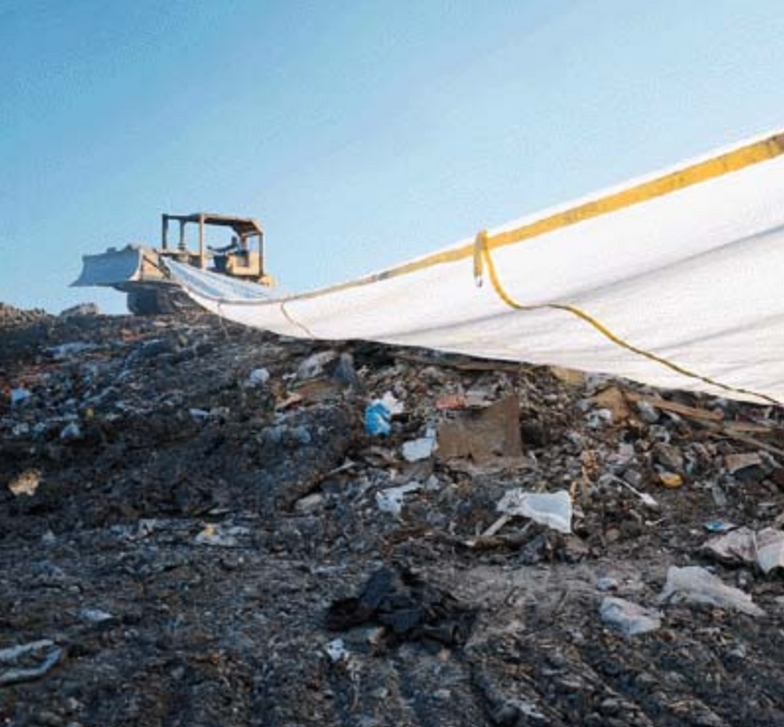
Landfills are engineered environments for improving waste management, environmental protection, worker safety, and public health.
Common landfill sites include landfills for municipal solid waste, construction and demolition debris, or nonhazardous industrial waste. In sites like these, operators need reliable ways to control exposure. Also important is reducing wind-blown debris, managing stormwater, and protecting active work zones.
Landfill cover tarps, especially heavy-duty tarps, can improve landfill containment solutions. Tarps provide temporary flexible protection for exposed materials, equipment, stockpiles, active work areas, and short-term containment needs.
Debrovy's offers tarps for landfill cells, containing landfill gas, and other use cases on landfills. Reach out to us if you are looking for a particular kind of tarp.
For landfill managers, haulers, contractors, and environmental service teams, the right industrial landfill tarps improve daily site control. Tarps also support safer and cleaner operations.
Why Cover Systems Matter in Landfill Operations
Municipal solid waste landfills benefit from cover systems that control liquid infiltration and erosion. Final cover systems minimize the movement of liquids into the landfill and reduce soil erosion. Both of these benefits support long-term environmental protection.
Temporary tarps and alternative daily covers serve a different purpose than permanent final covers. However, these support the same operational mindset: control exposure, reduce movement, and protect the surrounding environment.
In day-to-day landfill activity exposed waste and loose materials can create several challenges:
- Wind-blown debris
- Rain increases water contact with waste materials.
- Workers suffer direct exposure to dust, debris, moisture, odors, or contaminated surfaces.
- Equipment and staging areas can become disorganized during storms or high-wind events.
Landfill safety covers create a temporary barrier between exposed materials and the surrounding environment.
Preventing Wind-Blown Debris
A benefit of waste-containment covers is the reduction of wind-blown debris.
Loose materials at landfills, especially large exposed sites, can become airborne quickly. Plastic film, paper, packaging, construction debris, insulation, and other lightweight materials may go beyond property boundaries.
Cleanup issues, public safety concerns, and potential regulatory attention may result.
Heavy-duty landfill tarps cover exposed loads, debris piles, temporary staging areas, and inactive zones, keeping waste in place. This improves site cleanliness, reduces nuisance complaints, and limits the amount of labor required for debris recovery.
Facilities located near roads, commercial properties, residential areas, waterways, or agricultural land, need adequate debris control to meet regulations on responsible landfill environmental protection.
Reducing Worker Exposure
Landfill employees, contractors, and haulers work in physically demanding environments.
OSHA emphasizes that employers are responsible for providing safe and healthful workplaces. Using tarps for this purpose can be a part of an overall compliance plan. Tarps can fit in with protective policies, procedures, and training when workers may face hazardous substance exposure.
Tarps are not personal protective equipment but nonetheless protective landfill coverings can support safer work zones in the following ways:
- Tarps reduce direct exposure to loose materials, splash, dust, and contaminated surfaces.
- Tarp-covered staging areas separate workers from exposed waste during weather delays.
- Covered debris piles reduce handling frequency.
- Covered equipment can remain cleaner and safer to access after storms.
- Temporary containment can also help define where waste materials are located, improving site awareness and reduces confusion around active work areas.
Landfill site safety equipment includes more than hard hats, gloves, signs, and barriers. It includes practical containment tools that help operators control the work environment.
Managing Stormwater and Runoff
Rainwater is one of the biggest operational concerns at waste facilities. Precipitation contacting exposed waste, soil, or debris, can create runoff necessitating water management.
Cover systems, leachate management, and containment systems all reduce environmental risk. Municipal solid waste landfills should include liners and leachate-collection systems to limit leachate depth over the liner.
Temporary waterproof landfill tarps and waterproof landfill cover systems reduce direct rain contact with exposed materials. This supports short-term landfill runoff prevention strategies, especially during active operations, maintenance periods, temporary storage, or weather-sensitive work.
Tarps alone should not be considered a complete stormwater or leachate control system. But as a temporary waterproof barrier, tarps reduce unnecessary exposure and support broader runoff management.
Temporary Environmental Containment
Landfills need short-term containment solutions deployed quickly during storms, high winds, site maintenance, emergency cleanup, construction activity, or temporary waste staging.
Environmental containment tarps provide a flexible option for covering:
- Active waste areas
- C&D debris piles
- Industrial solid waste materials
- Soil stockpiles
- Equipment and machinery
- Temporary staging zones
- Roll-off containers and transfer areas
Landfill types and state requirements vary, so operators should always align tarp use with site permits, state regulations, and approved operating procedures. Contact Debrovy’s for information on your particular situation and we can offer our expertise.
Odor Control and Site Organization
Tarps reduce direct exposure of certain materials to wind, sun, and rain. Covering waste or debris during inactive periods can reduce odor movement and improve conditions for workers and nearby communities.
Tarps improve site organization because clear covered zones identify what is active, what is staged, and what is protected. Cleaner sites are easier to inspect, easier to navigate, and easier to manage during changing weather conditions.
Why Polyethylene Tarps Are Used for Temporary Landfill Covers
Polyethylene landfill covers combine durability, waterproof performance, and large-area coverage. Temporary applications of woven coated polyethylene are lightweight enough to deploy compared with permanent materials yet strong enough for demanding outdoor use.
Large temporary landfill tarp systems may include features such as:
- Coverage for large containment areas
- Heat-sealed seams preventing water entry
- Waterproof protection
- White or silver reflective surfaces reducing heat absorption
- Outdoor durability
- Resistance to tearing under normal field use
Large landfill applications need oversized tarps reducing the number of panels needed to cover a wide area. Fewer panels mean fewer gaps, faster deployment, and improved containment.
Choosing the Right Landfill Tarp
A tarp used to cover equipment during a storm may not need the same size or reinforcement as a tarp used for large-scale temporary waste containment.
When evaluating industrial landfill tarps, operators should consider:
- Coverage area
- Material weight and weave
- Waterproof coating
- Seam construction
- UV resistance
- Tear resistance
- Tie-down points
- Wind conditions
- Deployment equipment
- Expected duration of use
- Site-specific compliance requirements
FAQ
What type of tarp is best for landfill cover applications?
Heavy-duty woven coated polyethylene tarps provide waterproof protection, durability, and large-area coverage. For landfill use, consider polyethylene landfill covers with reinforced edges, strong tie-down points, and heat-sealed seams.
Why are heat-sealed seams important for landfill tarps?
Heat-sealed seams reduce water penetration and improve tarp durability during outdoor exposure. Waterproof landfill tarps are used in rain, runoff, or temporary containment applications.
Can industrial tarps help with landfill runoff control?
Temporary tarp cover systems may reduce rain exposure and help short-term runoff-management strategies. These should be part of a broader landfill stormwater and leachate-management plan.
What size tarp is used for landfill operations?
Oversized tarps for large containment and coverage applications are the right size depending on the working face, debris pile, staging area, or equipment being covered.
Are tarps a replacement for approved landfill cover systems?
No, tarps are temporary operational tools supporting containment, weather protection, and site safety. These do not replace engineered landfill liners, final cover systems, leachate-collection systems, or regulatory requirements calling for more than tarps.
Debrovy’s Landfill Tarps for Your Unique Needs
Our landfill cover tarps, landfill safety covers, and waste containment covers support a cleaner, safer, and more controlled site. Reach out to us for tarps perfect for your landfill-management strategy. We sell canvas tarps, poly tarps, and a wide range of tarps in common sizes and custom sizes.
Whether you are on a construction site or work with municipal solid waste (MSW), our cost-effective tarps can fit your needs. We can help you meet environmental protection agency (EPA) guidelines.